
Agile Without the Chaos
We've delivered many hundreds of mission-critical platforms and applications using Agile, always focussed on the goal and delivery timelines. Our hybrid Scrum-Kanban approach brings predictability to innovation, combining the flexibility to pivot with the discipline to deliver. This is Agile matured through real-world application, where sprints ship value and retrospectives drive genuine improvement.
 The result of Agile done right: reliable delivery, meaningful impact, and polished solutions.
The Adappt Delivery Difference
Our Hybrid Agile Approach
Adappt has developed a highly tested and trusted Agile approach, used to great effect to deliver some incredible projects, within environments like Hiome Office, Defra, FCDO where rapid and fluid development was vital.


Scrum Foundation
2-week sprints with streamlined ceremonies, clear accountability without rigid boundaries, and living artifacts that guide work. Flexible interpretation based on your context.
Kanban Integration
Real-time work visualisation with WIP limits preventing overload. Flow metrics drive continuous improvement through a pull system that handles urgent items without disrupting sprints.
SAFe Elements (When Needed)
Enterprise-scale coordination with quarterly PI planning for big-picture alignment. Architecture runway future-proofs while delivering, with DevOps integration built in. Scale from single team to 80-person divisions.
Lean Principles
Every sprint delivers customer value with zero waste. Kaizen mindset drives continuous improvement, respecting people because team health equals project health. Optimise the whole, not the parts.
Agile Toolchain
We adapt to your existing tools or recommend the best fit for your team size, complexity, and workflow preferences.
- Jira for enterprise-scale tracking, Azure DevOps for Microsoft stacks, Linear for modern speed, Shortcut for developer-friendly workflows, or physical boards when co-located.
- Slack for async communication, Teams for video and collaboration, Miro for virtual whiteboarding, Confluence for documentation, and Loom for async video updates.
- Git version control (GitHub, GitLab, Bitbucket), CI/CD with Jenkins, CircleCI, or GitHub Actions, testing via Jest, Cypress, Selenium, plus Datadog or New Relic monitoring, and Snyk or SonarQube security.
- Velocity charts for sprint performance, burndown/burnup for progress tracking, cumulative flow for WIP visualization, custom dashboards for business metrics, and OKR tracking for strategic alignment.
Measuring What Matters
of committed work completed
reaching production
story completion
annual retention rate
Agile Team Structures
From startup speed to enterprise scale
Small Product Team (2-5 people)
2-3 developers, 1 PM/PO, 1 QA with lightweight ceremonies and combined roles. Direct communication with minimal overhead delivers 20-40 story points per sprint. Suitable for focused initiatives, pilot projects, or rapid prototyping within larger enterprise programs.
Standard Scrum Team (6-9 people)
4-5 developers, 1 SM, 1 PO, 1-2 QA running full Scrum framework. Daily standups and regular sync enable 40-70 story points per sprint. Perfect for product development and platforms.
Scaled Agile Team (10-20 people)
2-3 coordinated Scrum teams with Scrum of Scrums and shared planning. Active dependency management delivers 100-150 story points per sprint. Built for enterprise platforms.
Large Division (20-80 people)
Multiple teams with shared architecture running SAFe or similar scaling frameworks. Program increment planning coordinates continuous delivery with release trains. Designed for digital transformation.
Agile Engineering Excellence
Test-Driven Development
Continuous Integration
Pair Programming
Code Reviews
Continuous Refactoring
Living Documentation
How We Deliver Excellence
Sprint Planning
Story breakdown, estimation, and commitment based on refined backlog, capacity, and dependencies. Sprint backlog and clear goals with 95% achievement rate.
4 hours per 2-week sprint
Daily Coordination
15-minute problem-solving sessions focused on impediment removal and collaboration, not status reports. Async options for distributed teams enable quick decision-making.
15 minutes daily
Sprint Review
Working software demonstrations with stakeholder feedback captured and prioritised immediately. Success celebrated while learning what users actually need.
2 hours per sprint
Retrospective
Varied formats maintain engagement with maximum 3 action items tracked sprint over sprint. Psychological safety enables measurable improvement.
1.5 hours per sprint
Continuous Delivery
Daily production deployments with 90%+ automated testing and quality gates preventing regression. One-click rollback and real-time monitoring ensure reliability.
Continuous
Agile Delivery Questions
We define outcomes, not outputs. Fixed price for fixed value, with scope flexibility. Change requests handled through agreed process. Success through collaboration, not contracts.
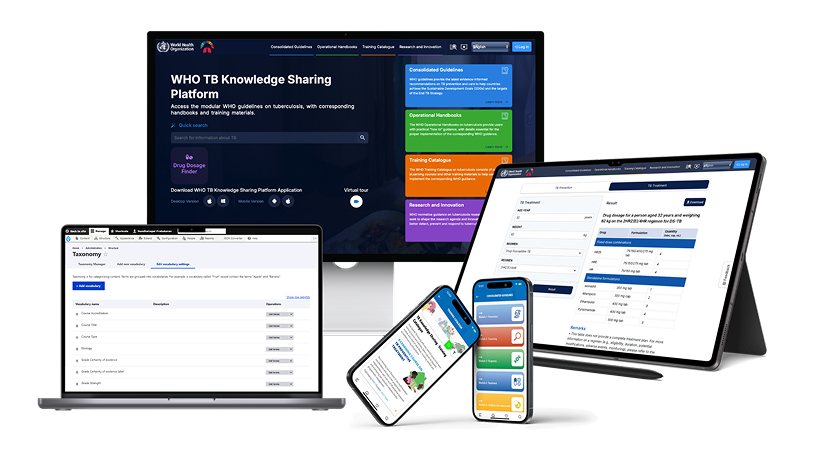
Absolutely. We've delivered WHO pandemic systems using Agile. Critical doesn't mean waterfall—it means more discipline within Agile. Stronger DoD, more testing, careful releases.
Scaled frameworks when needed, but kept lightweight. Scrum of Scrums, shared planning, clear interfaces. Architecture and design systems ensure coherence.
Documentation produced incrementally within sprints. Automated where possible, maintained continuously. Compliance requirements built into Definition of Done.
Relative estimation, refined continuously. T-shirt sizing for rough planning, story points for sprints. Historical velocity for predictability. Confidence increases over time.
Yes. We adapt to your context, not force our process. Start where you are, improve incrementally. Change management included. Your process, enhanced.
Ready for Agile That Actually Works?
From startup speed to enterprise scale, we deliver excellence agilely
Whether you're starting your Agile journey or optimising existing delivery, our 15 years of refined Agile excellence can transform how you deliver software.